Occupational Therapy vs. Physical Therapy: Which Do You Need?
If your doctor has recommended rehabilitation services, you may be wondering whether you need occupational therapy or physical therapy — and whether there's even a meaningful difference. You're not alone. This confusion is one of the most common questions patients ask when navigating recovery from injury, surgery, or a chronic condition. Understanding the occupational therapy vs physical therapy difference can directly impact how quickly you regain function and return to the life you love. This guide breaks it down clearly and explains why Serenity J's integrated approach in Rancho Cucamonga may be the most effective path forward.
The Core Difference: Movement vs. Meaningful Activity
At the most fundamental level, physical therapy (PT) and occupational therapy (OT) serve different — but often complementary — purposes.
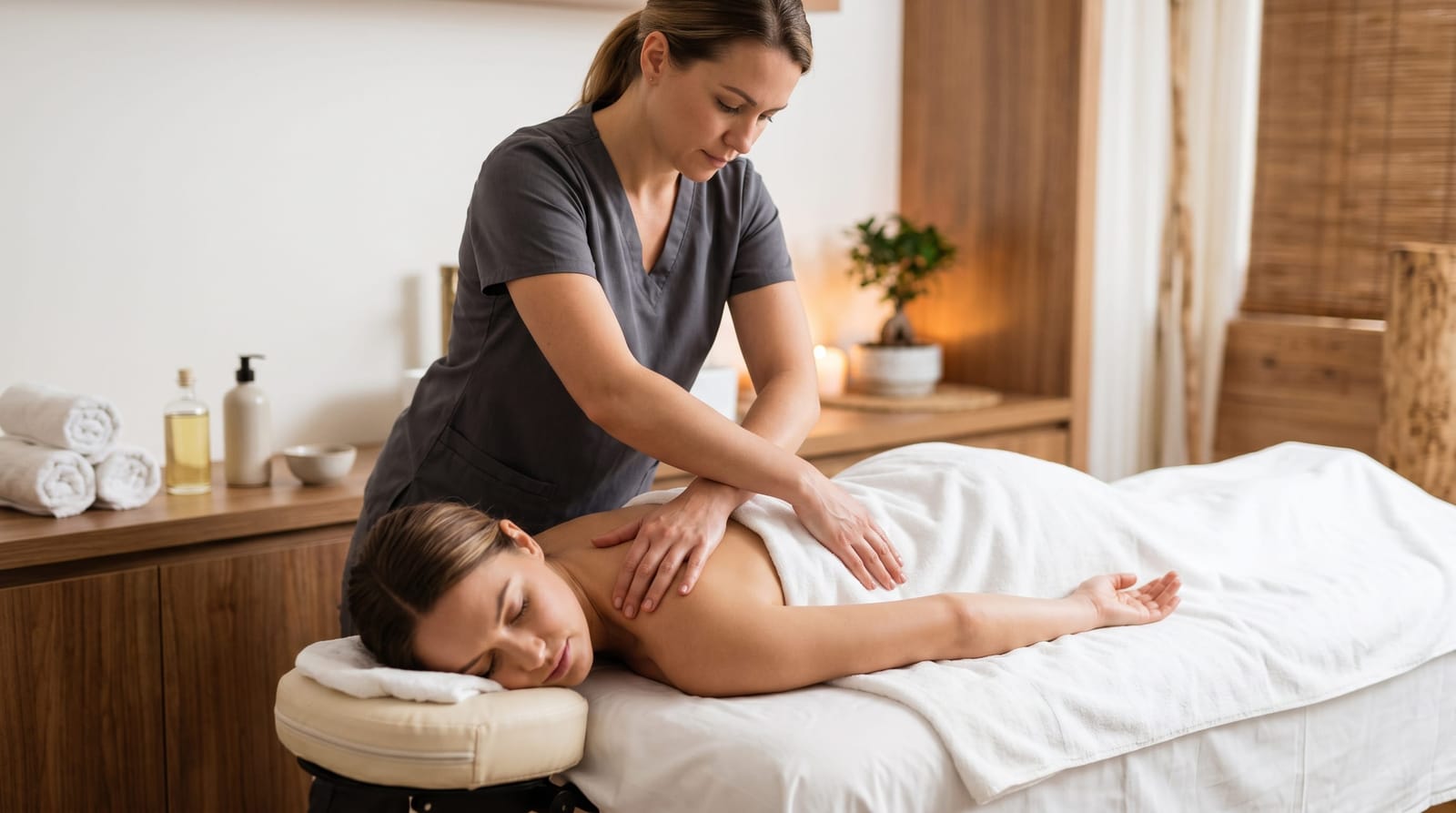
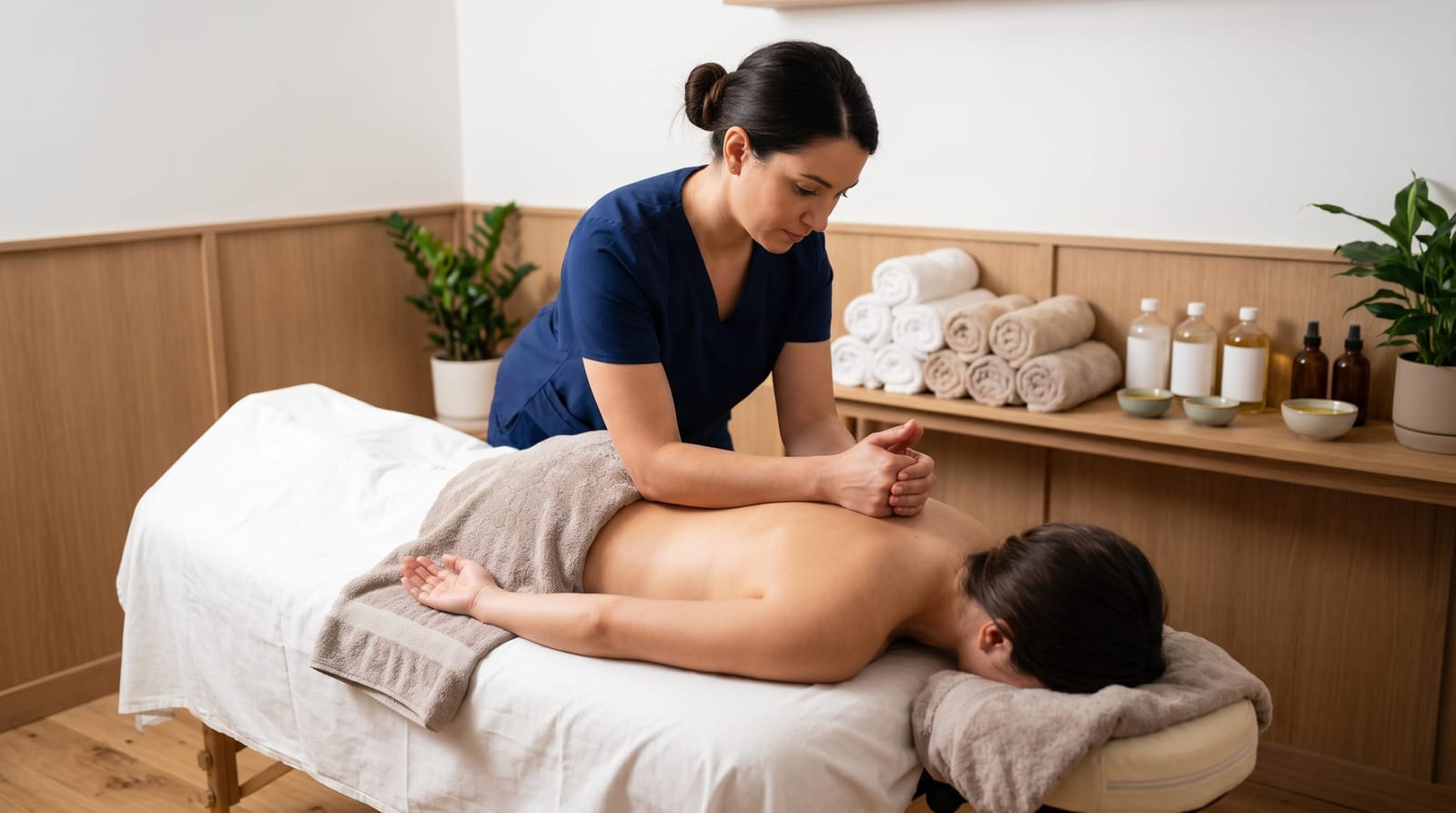
Physical therapy focuses primarily on restoring movement, strength, flexibility, and reducing pain. A physical therapist works to repair the mechanical aspects of your body: rebuilding range of motion after a knee replacement, retraining gait after a stroke, or reducing inflammation in a rotator cuff injury. The goal is to fix how your body moves.
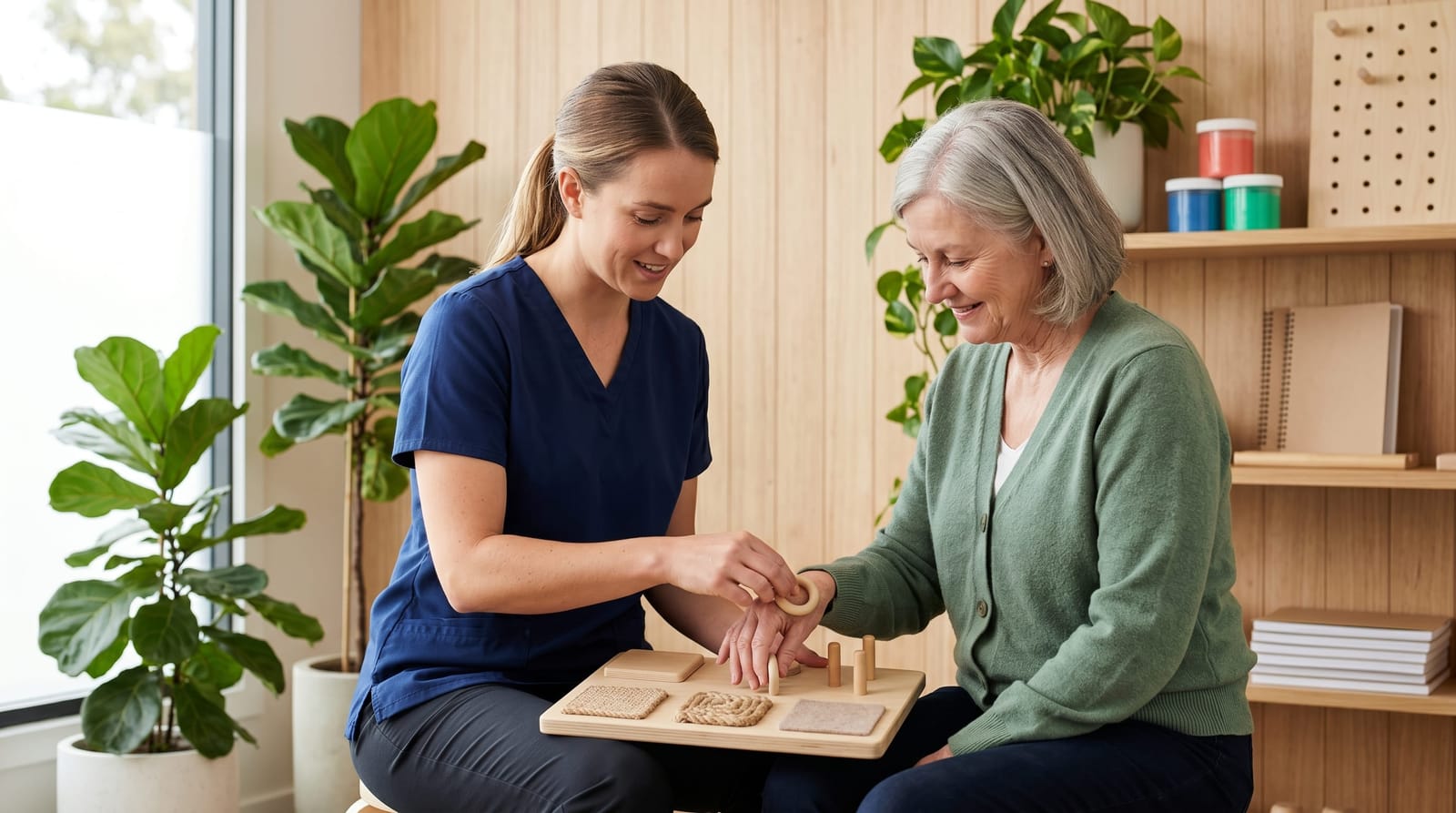
Occupational therapy focuses on helping you perform the daily tasks and roles that matter most to you — getting dressed independently, returning to work, cooking a meal, or caring for your children. According to the American Occupational Therapy Association, more than 1 in 4 adults in the United States live with a disability that affects daily functioning, and OT directly addresses that gap between physical capacity and real-world performance.
Think of it this way: PT gets your shoulder moving again. OT teaches you how to reach into a cabinet, fasten buttons, or lift your grandchild — safely and confidently. Both disciplines aim to enhance quality of life, but they approach it from different angles.
The occupational therapy vs physical therapy difference also shows up in therapeutic tools. PT typically uses exercises, manual therapy, and modalities like ultrasound or electrical stimulation. OT incorporates adaptive techniques, assistive devices, environmental modifications, and activity-based training tailored to your specific lifestyle and goals.
When You Need Physical Therapy
Physical therapy is typically the right choice when the primary barrier to your recovery is a mechanical or musculoskeletal issue. Common situations where PT takes the lead include:
- Post-surgical rehabilitation (joint replacements, ACL repair, spinal surgery)
- Sports injuries, sprains, and fractures
- Chronic pain conditions like lower back pain or tendinitis
- Balance and fall prevention programs
- Neurological conditions affecting movement, such as Parkinson's disease
Research published in the Journal of Orthopaedic & Sports Physical Therapy shows that structured PT programs can reduce chronic low back pain by up to 60% in patients who complete their full course of care. The emphasis is on building the physical foundation — strength, mobility, and pain reduction — so that functional recovery becomes possible.
If you've recently had surgery or sustained an acute injury and your primary complaint is pain, weakness, or limited range of motion, starting with PT is usually the appropriate first step in your rehabilitation journey.
When You Need Occupational Therapy
Occupational therapy becomes essential when the challenge isn't just about how your body moves — it's about how well you can function in your daily life, workplace, or home environment. OT is the right choice when:
- You've had a stroke and need to relearn self-care tasks like dressing, bathing, or eating
- A hand, wrist, or upper extremity injury is limiting your ability to work or perform fine motor tasks
- You're recovering from a traumatic brain injury and need cognitive rehabilitation
- Workplace injuries have affected your ability to perform job-specific tasks
- You need adaptive strategies or equipment to live independently with a chronic condition
Studies show that occupational therapy reduces hospital readmission rates by approximately 30% in older adults recovering from hip fracture, largely because OT addresses the real-world functional skills needed to safely return home. To understand the full breadth of cases where OT can help, explore what conditions does occupational therapy treat in our detailed guide on OT applications.
OT practitioners are also uniquely trained in activity analysis — the clinical skill of breaking down complex daily tasks into component steps and identifying exactly where a patient is struggling and why. This level of detail drives highly personalized treatment planning.
When You Need Both — And Why Integration Matters
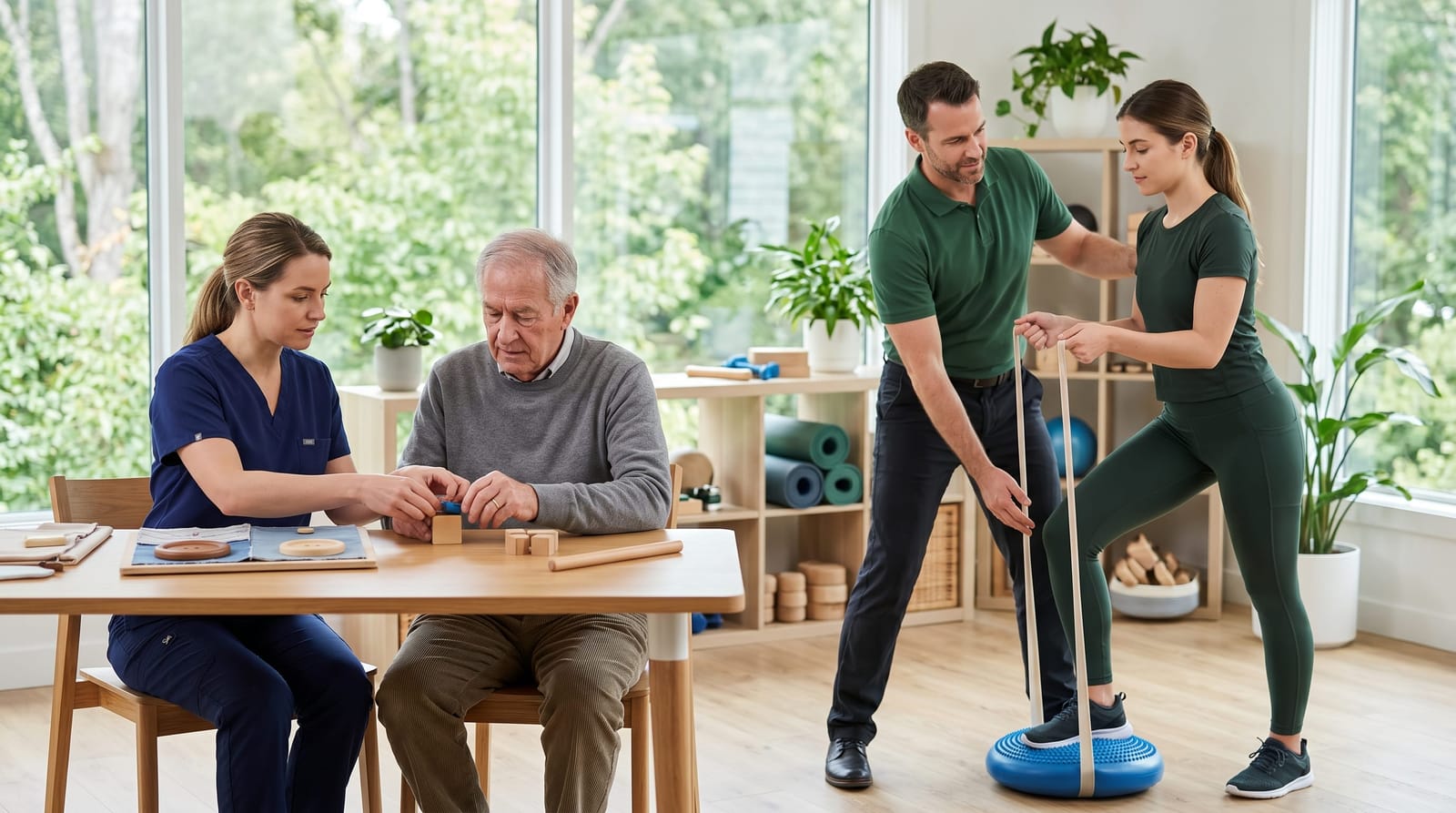
Here's what many patients don't realize: for a wide range of conditions, PT and OT are not competing options. They are complementary disciplines that work best when coordinated together. According to rehabilitation research, patients who receive both PT and OT following a stroke show functional improvement rates up to 40% higher than those receiving either discipline alone.
This is precisely where Serenity J's holistic rehabilitation model in Rancho Cucamonga stands apart from single-discipline providers. Rather than treating your body or your function in isolation, Serenity J's approach bridges the gap between physical restoration and real-world application — under one roof.
For an injured worker, this might mean a physical therapist addresses the underlying shoulder mechanics while an occupational therapist simultaneously works on the specific job tasks — like operating machinery or typing — that the patient needs to return to. For a post-surgical patient, PT restores strength and mobility while OT ensures the home environment and daily routine are set up for safe, successful recovery.
This integrated model reduces the time patients spend navigating between separate providers, eliminates communication gaps in care, and creates a more coherent rehabilitation plan anchored to meaningful, patient-defined goals.
How to Choose the Right Starting Point
If you're unsure where to begin, consider these practical questions:
- Is your primary complaint pain or limited movement? Start with a PT evaluation.
- Are you struggling to perform specific daily tasks, work duties, or self-care activities? Request an OT evaluation.
- Have you been through PT but still can't function at work or home the way you need to? OT may be the missing piece.
- Are you recovering from a stroke, brain injury, or complex orthopedic surgery? You likely need both — and the sooner they're coordinated, the better your outcomes.
At Serenity J, an initial consultation can help clarify which pathway — or combination of pathways — is right for your specific situation. Their team is experienced in evaluating the full picture of a patient's functional needs, not just the clinical diagnosis.
Frequently Asked Questions
Can I receive occupational therapy and physical therapy at the same time?
Yes, and in many cases it's recommended. OT and PT address different aspects of recovery, and receiving both simultaneously — especially when they're coordinated by the same rehabilitation team — typically produces better outcomes than either discipline alone. Research on post-stroke recovery, for example, consistently supports integrated OT and PT care.
Does insurance cover both occupational therapy and physical therapy?
Most major insurance plans, including Medicare and workers' compensation, cover both OT and PT when deemed medically necessary. Coverage limits and authorization requirements vary by plan. Serenity J's team can assist you in understanding your benefits before beginning treatment.
How long does a typical course of occupational therapy last?
Treatment duration varies based on condition severity and goals. Mild hand injuries may resolve in 6 to 8 weeks, while neurological rehabilitation following stroke can involve 3 to 6 months of structured OT. Your therapist will develop a personalized timeline during your initial evaluation.
Is a physician referral required to start occupational or physical therapy?
In California, patients can access physical therapy directly without a referral in many cases, though some insurance plans require physician authorization. Occupational therapy referral requirements depend on your specific insurer and condition. Contacting Serenity J directly is the fastest way to clarify what's needed for your situation.
Conclusion
The occupational therapy vs physical therapy difference comes down to focus: PT rebuilds how your body moves; OT restores how you live, work, and function in the real world. For many patients, the most effective rehabilitation path involves both. Serenity J's integrated model in Rancho Cucamonga is uniquely positioned to deliver coordinated OT and PT care that treats you as a whole person — not just a diagnosis. Whether you're recovering from surgery, managing a workplace injury, or navigating a neurological condition, the right rehabilitation support can make all the difference in how fully and quickly you recover.