Can Massage Therapy Help with Anxiety and Panic Attacks?
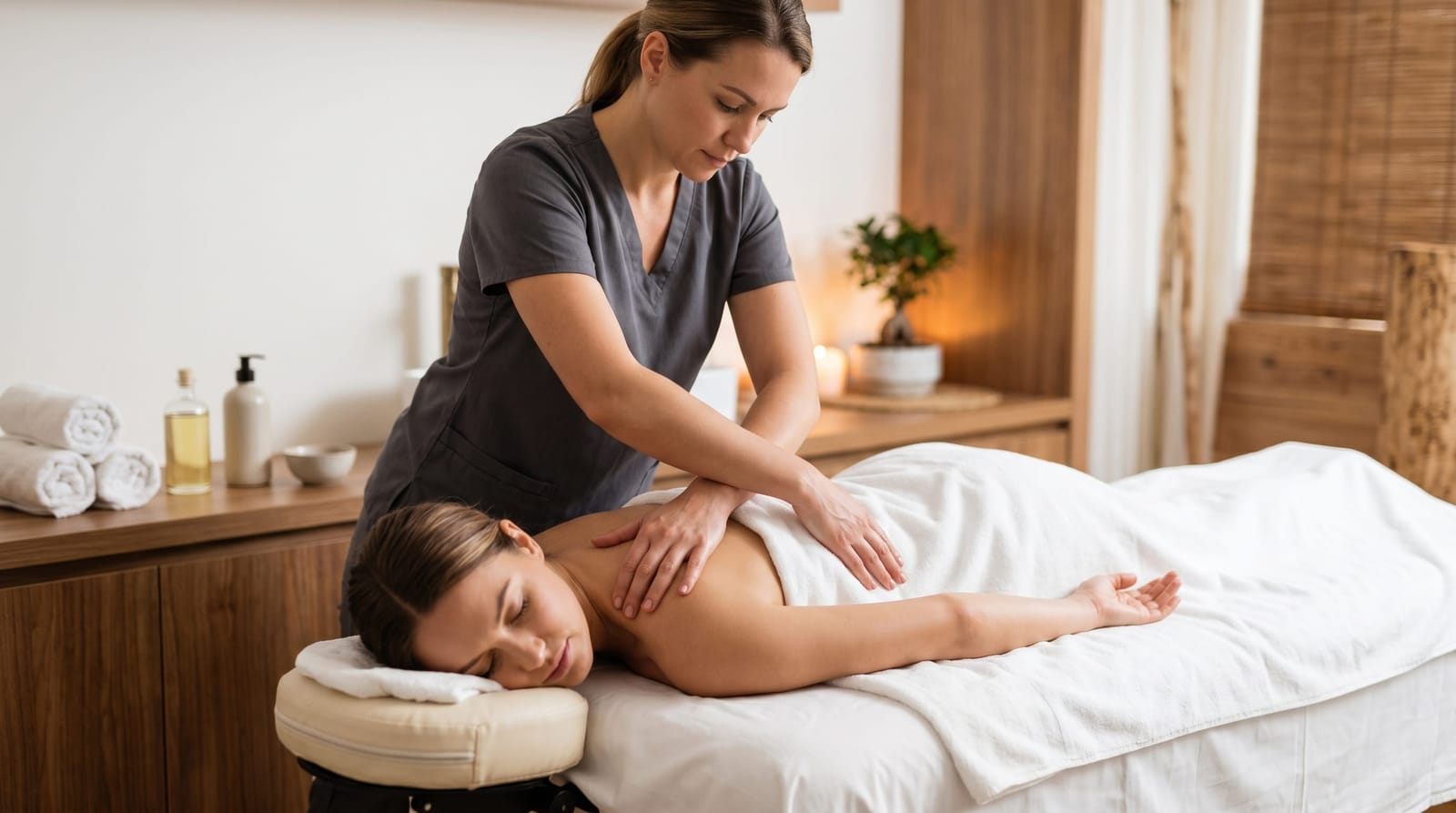
If you've ever walked out of a massage session feeling like you could finally breathe again — really breathe — you already know something powerful is happening in your body. But for women managing chronic anxiety or panic attacks, the question isn't just "does massage feel good?" It's "can massage therapy for anxiety and panic attacks actually make a lasting difference?" The short answer is yes — and the science behind it is both compelling and deeply practical. As part of a broader holistic wellness approach, massage therapy addresses anxiety at the nervous system level, not just the surface.
How Massage Therapy Directly Affects Your Anxiety Response
Anxiety isn't just a mental experience — it's a full-body physiological state. When your brain perceives a threat (real or imagined), your sympathetic nervous system fires up: heart rate spikes, muscles tense, cortisol floods your bloodstream, and your breathing becomes shallow. For women living with chronic anxiety or recurring panic attacks, this stress response can feel like it never fully switches off.
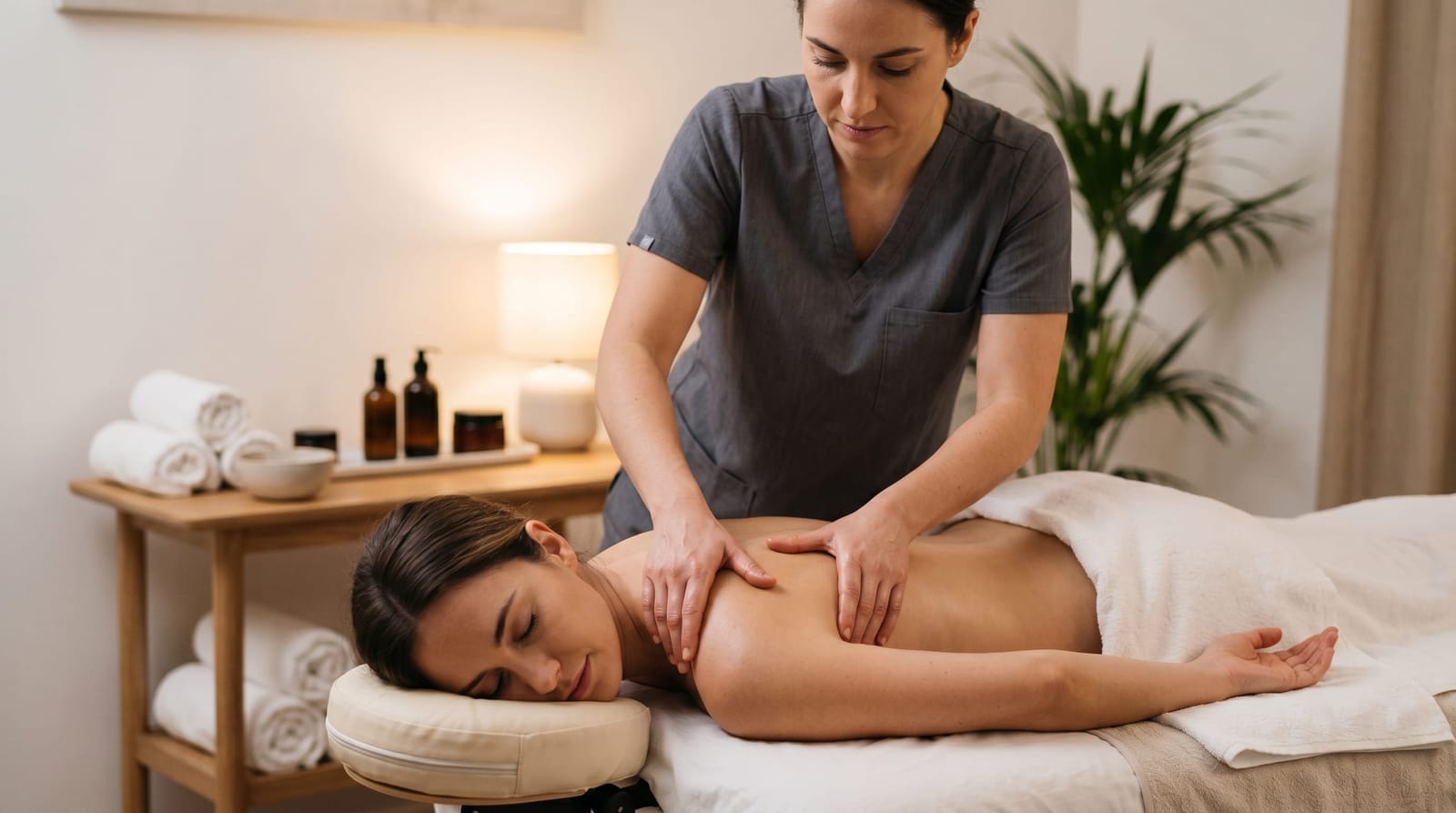
This is where massage therapy for anxiety and panic attacks becomes genuinely therapeutic. Skilled, intentional touch activates the parasympathetic nervous system — the "rest and digest" counterpart to your "fight or flight" response. As pressure is applied to muscles, tendons, and soft tissue, your body receives clear neurological signals that it is safe. Heart rate slows. Breathing deepens. Muscle tension releases.
Research published by the American Massage Therapy Association (AMTA) confirms that massage therapy is associated with a significant, immediate decrease in anxiety scores. Beyond that single session, regular massage has been shown to:
- Lower circulating cortisol levels, the primary stress hormone linked to anxiety escalation
- Increase serotonin and dopamine production, both of which regulate mood and calm nervous system reactivity
- Improve sleep quality, which in turn reduces the baseline intensity of daily anxiety symptoms
- Reduce muscle hypertonicity — the chronic tension pattern that feeds the physical loop of anxiety
- Slow the heart rate and lower blood pressure, creating measurable physiological calm
For women experiencing panic attacks specifically, these effects matter enormously. Panic attacks are largely driven by physical sensations that the brain misinterprets as dangerous. Regular massage therapy helps recalibrate your nervous system's baseline, making it less likely to trigger that misfire.
Which Types of Massage Are Most Effective for Anxiety?
Not all massage styles address anxiety equally. When seeking massage therapy for anxiety and panic attacks, the technique, pressure, and environment all influence the outcome. Here are the most effective approaches:
- Swedish Massage: The gold standard for anxiety relief. Long, flowing strokes calm the nervous system, improve circulation, and promote deep relaxation without overstimulation. Ideal for first-time clients or those with high sensitivity.
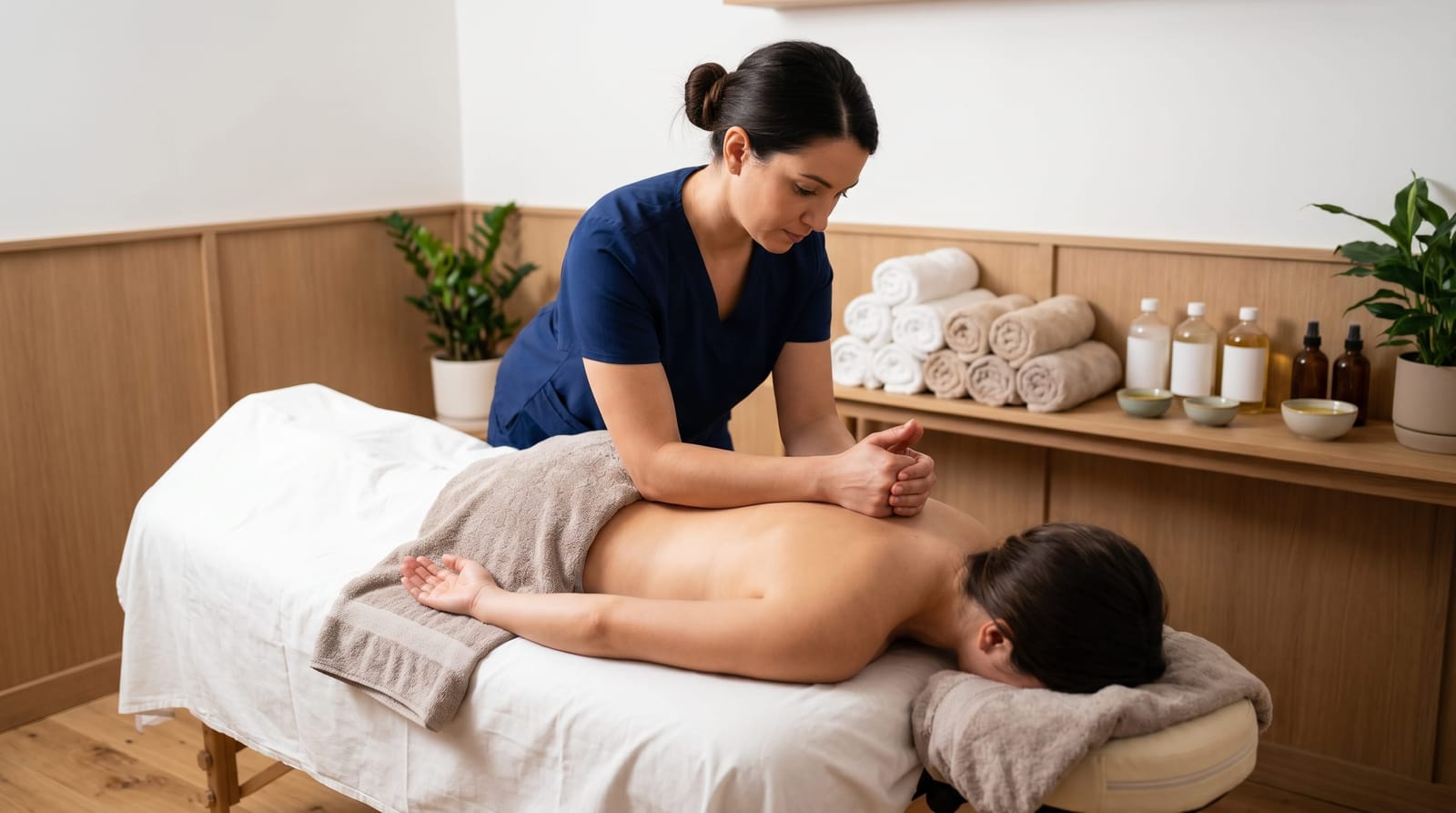
- Deep Tissue Massage: Targets the chronic muscle tension that anxiety sufferers often carry in the neck, shoulders, jaw, and lower back. Releasing these holding patterns can interrupt the physical feedback loop that sustains anxious states.
- Aromatherapy Massage: Combines traditional massage with therapeutic essential oils — lavender, chamomile, and bergamot being particularly well-studied for anxiety reduction. The olfactory system has a direct line to the brain's limbic region, which governs emotional responses, making scent a powerful adjunct to touch therapy.
- Craniosacral Therapy: A gentle, light-touch technique that works with the rhythm of cerebrospinal fluid. Particularly effective for women whose anxiety is rooted in trauma or who feel overstimulated by deeper pressure work.
- Hot Stone Massage: The sustained warmth from heated stones encourages profound muscular relaxation and helps quiet a racing mind. Especially effective during periods of heightened anxiety or emotional stress.
At Serenity J Wellness Spa in Rancho Cucamonga, our licensed therapists tailor each session to your specific anxiety presentation — whether you're dealing with generalized anxiety, situational stress, or the unpredictable intensity of panic attacks.
The Neurological Benefits of Regular Massage for Panic Attack Prevention
One session of massage therapy for anxiety and panic attacks can provide immediate relief — but the deeper, more transformative benefits come from consistent care. Think of your nervous system like a thermostat. Years of chronic stress can reset that thermostat too high, making anxiety your default state. Regular massage therapy gradually recalibrates that set point.
Here's what consistent massage therapy does to your neurology over time:
- Reduces vagal tone dysregulation — the vagus nerve, which runs from your brainstem to your gut, plays a central role in anxiety. Massage stimulates vagal activity, improving your body's ability to self-regulate stress responses.
- Lowers allostatic load — the cumulative "wear and tear" of chronic stress. Women with high allostatic load are significantly more vulnerable to panic attacks; massage reduces this burden measurably.
- Builds interoceptive awareness — the ability to accurately read your body's internal signals. Many panic attacks escalate because physical sensations are misread as catastrophic. Massage builds body literacy, helping you distinguish between normal physical sensations and genuine alarm.
- Improves sleep architecture — deeper, more restorative sleep directly reduces next-day anxiety intensity and lowers the frequency of panic episodes.
For women pursuing a preventative wellness strategy, this neurological retraining is invaluable. Massage therapy isn't a band-aid — it's a systematic investment in a calmer, more resilient nervous system.
Integrating Massage Therapy into a Holistic Anxiety Management Plan
Massage therapy for anxiety and panic attacks works best when it's part of a broader, integrated wellness strategy rather than a standalone treatment. At Serenity J, we approach anxiety from a whole-body perspective — recognizing that what you eat, how you move, how you sleep, and how you manage stress are all interconnected.
A well-rounded holistic anxiety management plan might include:
- Regular massage therapy sessions (bi-weekly or monthly, depending on symptom severity)
- Nutritional support targeting cortisol regulation — including magnesium, B vitamins, and adaptogenic herbs
- Breathwork and mindfulness practices to reinforce the parasympathetic activation achieved during massage
- Consistent sleep hygiene protocols to protect the neurological gains made through treatment
- Movement therapies like yoga or walking that support vagal tone and mood regulation
- Periodic consultations with a wellness professional to adjust your plan as your needs evolve
This integrative approach is central to the philosophy at Serenity J Wellness Spa. Our goal isn't just to help you feel better after a session — it's to help you build the kind of internal resilience that makes anxiety attacks less frequent, less intense, and less disruptive to your life.
Frequently Asked Questions About Massage Therapy for Anxiety and Panic Attacks
How quickly does massage therapy reduce anxiety symptoms?
Most clients experience a measurable reduction in anxiety during and immediately following a single massage session. The AMTA notes a significant, immediate decrease in anxiety scores after massage therapy. For longer-term benefits — including reduced frequency of panic attacks and lower baseline anxiety — consistent sessions over 4 to 8 weeks show the most meaningful results.
Is massage therapy safe during or after a panic attack?
Massage therapy is not typically recommended during an active panic attack, as touch can feel overwhelming in that state. However, gentle massage — particularly light Swedish strokes or craniosacral techniques — can be very effective as a recovery tool after a panic episode, helping the nervous system return to baseline more quickly. Always communicate your current state to your therapist before a session.
How often should I get massage therapy for anxiety management?
For active anxiety management, bi-weekly sessions (every two weeks) are generally recommended during high-stress periods. Once symptoms stabilize, monthly maintenance sessions can sustain the neurological benefits. Your therapist at Serenity J can help you design a session frequency that fits both your wellness goals and your schedule.
Can massage therapy replace medication for anxiety?
Massage therapy for anxiety and panic attacks is a powerful complementary treatment, but it should not be used as a replacement for medication or mental health therapy without guidance from your healthcare provider. Many women find that consistent massage reduces their need for anxiety medication over time — but this transition should always be made in consultation with a qualified professional.
The Bottom Line: Massage Therapy Is a Legitimate Tool for Anxiety Relief
The evidence is clear: massage therapy for anxiety and panic attacks works — both in the immediate moment of a session and as a long-term nervous system recalibration strategy. By activating the parasympathetic nervous system, reducing cortisol, improving sleep, and building your body's natural stress resilience, regular massage addresses anxiety at its physiological root. At Serenity J Wellness Spa in Rancho Cucamonga, our licensed therapists understand the connection between body and mind — and they're ready to help you build a calmer, more grounded version of your everyday health.