Can Massage Therapy Replace Physical Therapy for Back Pain?
If you're dealing with back pain, you've probably wondered whether massage therapy or physical therapy is the better choice. Maybe you've tried one and felt some relief, but the pain came back. Maybe a doctor mentioned both options, and now you're not sure where to start. This post breaks down the honest differences between massage therapy vs physical therapy for back pain — and explains why the most effective approach often combines elements of both.
What Massage Therapy Does for Back Pain
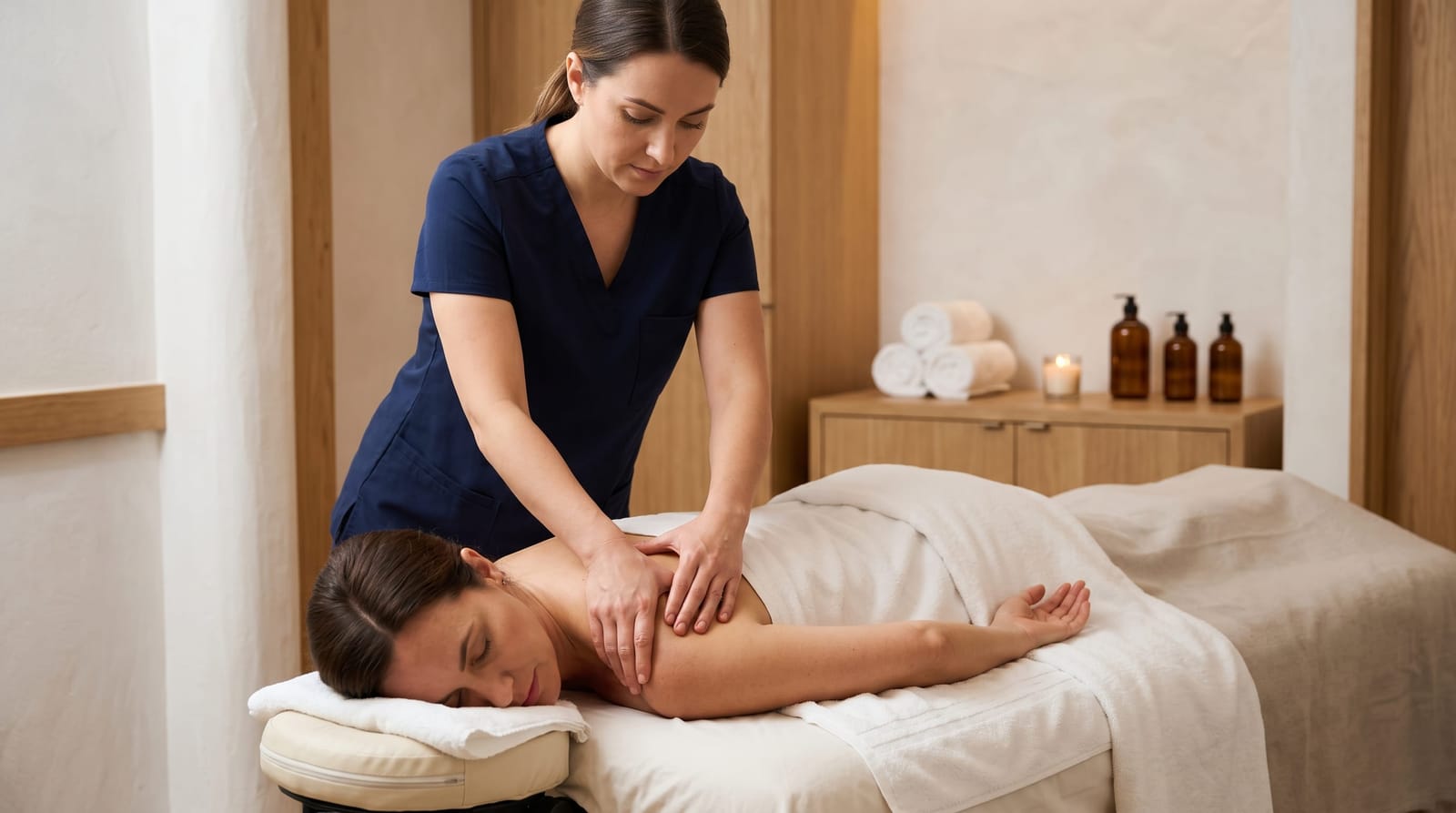
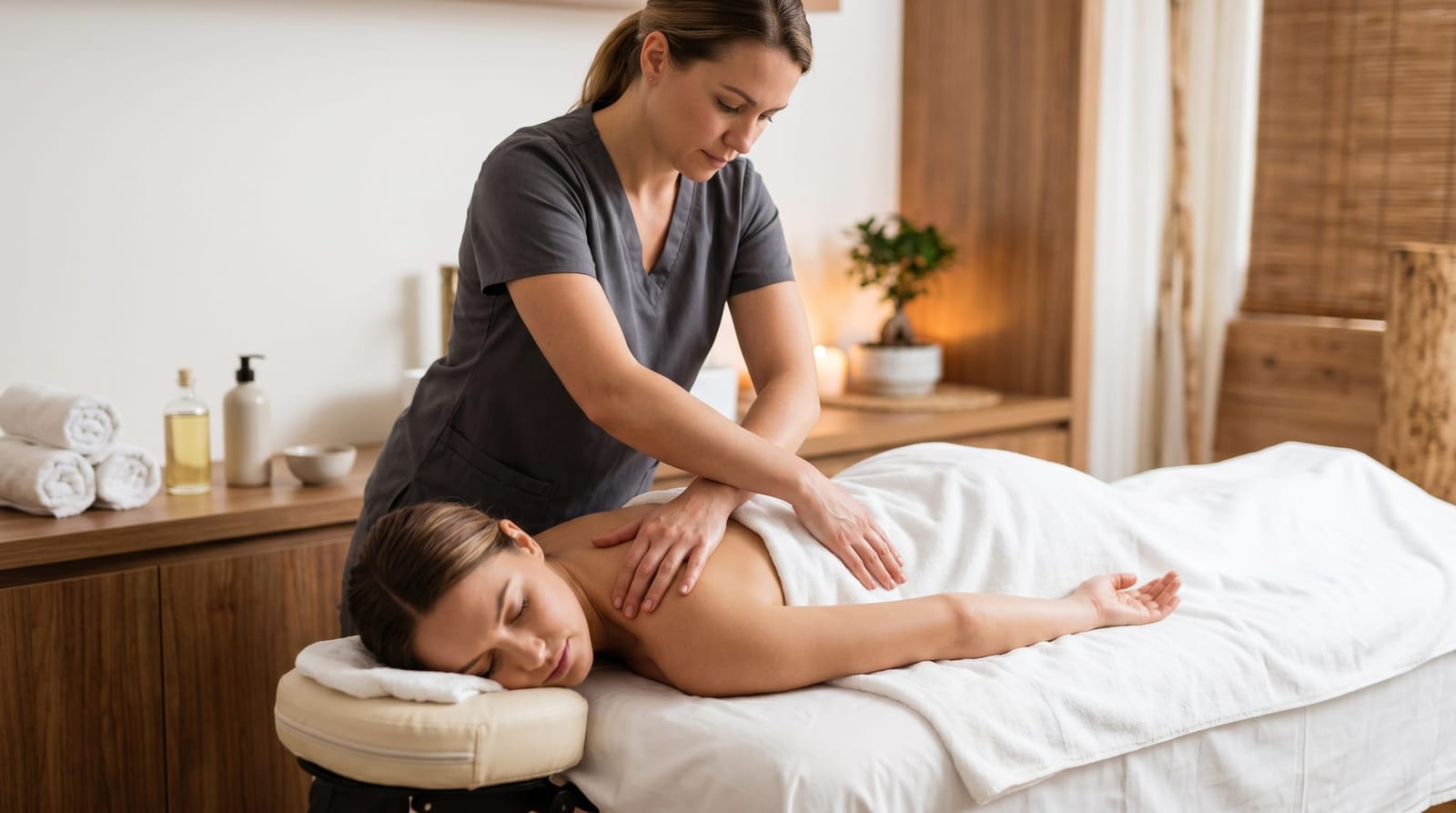
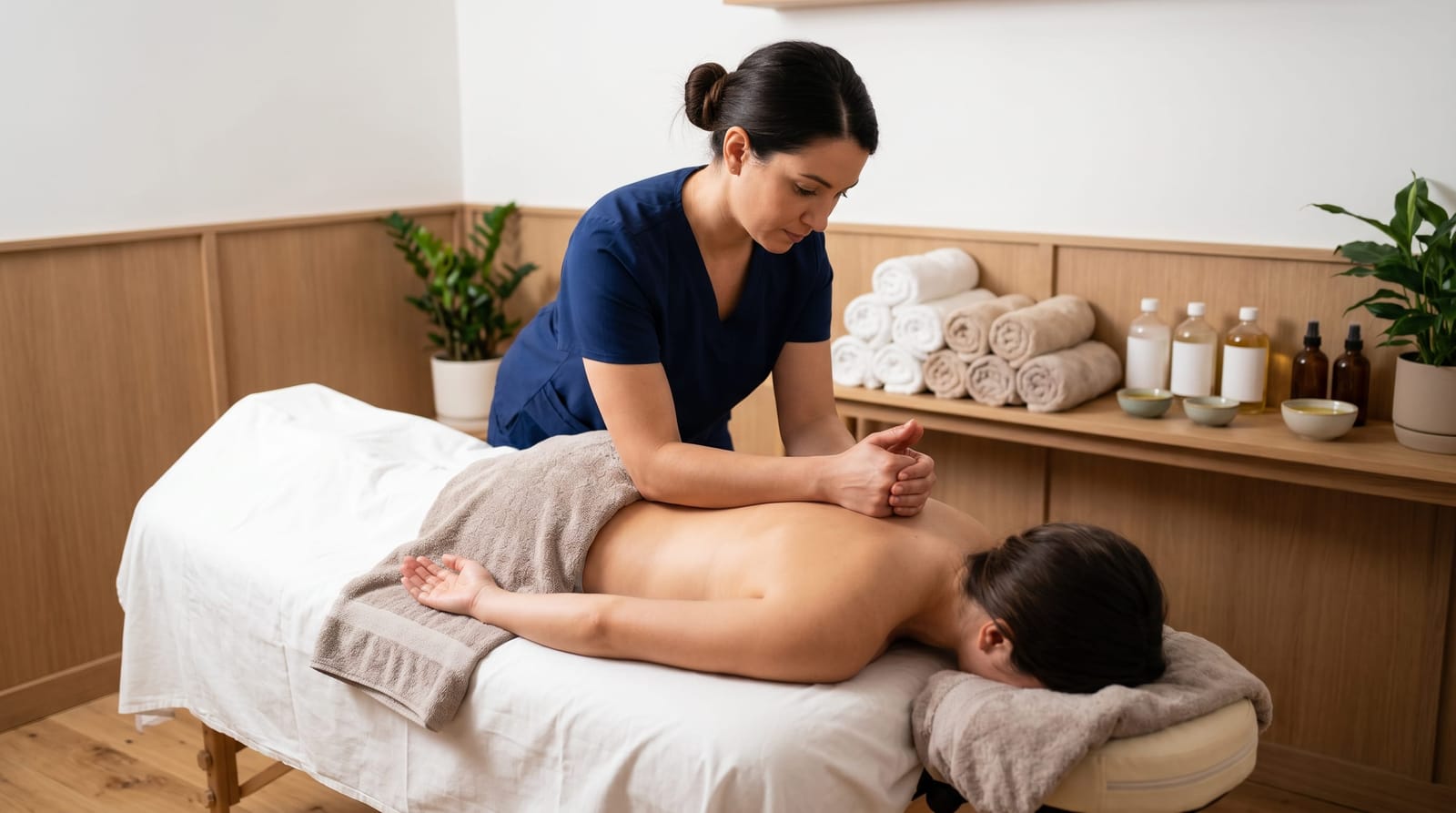
Massage therapy works by targeting soft tissue — muscles, fascia, and connective tissue — that become tight, knotted, or inflamed after injury or overuse. A skilled therapist applies direct pressure and movement techniques to increase circulation, reduce muscle tension, and calm the nervous system.
For back pain specifically, massage therapy delivers several documented benefits:
- Reduces muscle guarding and spasm around injured vertebrae
- Improves blood flow to oxygen-deprived tissue
- Decreases the perception of pain by stimulating pressure receptors
- Lowers cortisol levels, which reduces inflammation-related pain
Research backs this up. A study published in the Annals of Internal Medicine found that 10 weeks of massage therapy reduced chronic low back pain symptoms in 36% of participants — comparable to results from conventional medical care. However, massage therapy alone does not rebuild strength, correct posture, or address the biomechanical causes of recurring back pain. That's an important distinction.
Think of massage therapy as preparing the body for healing. It softens the tissue, reduces pain signals, and creates a window of opportunity — but something else needs to step in to make the changes last.
What Physical Therapy Addresses That Massage Cannot
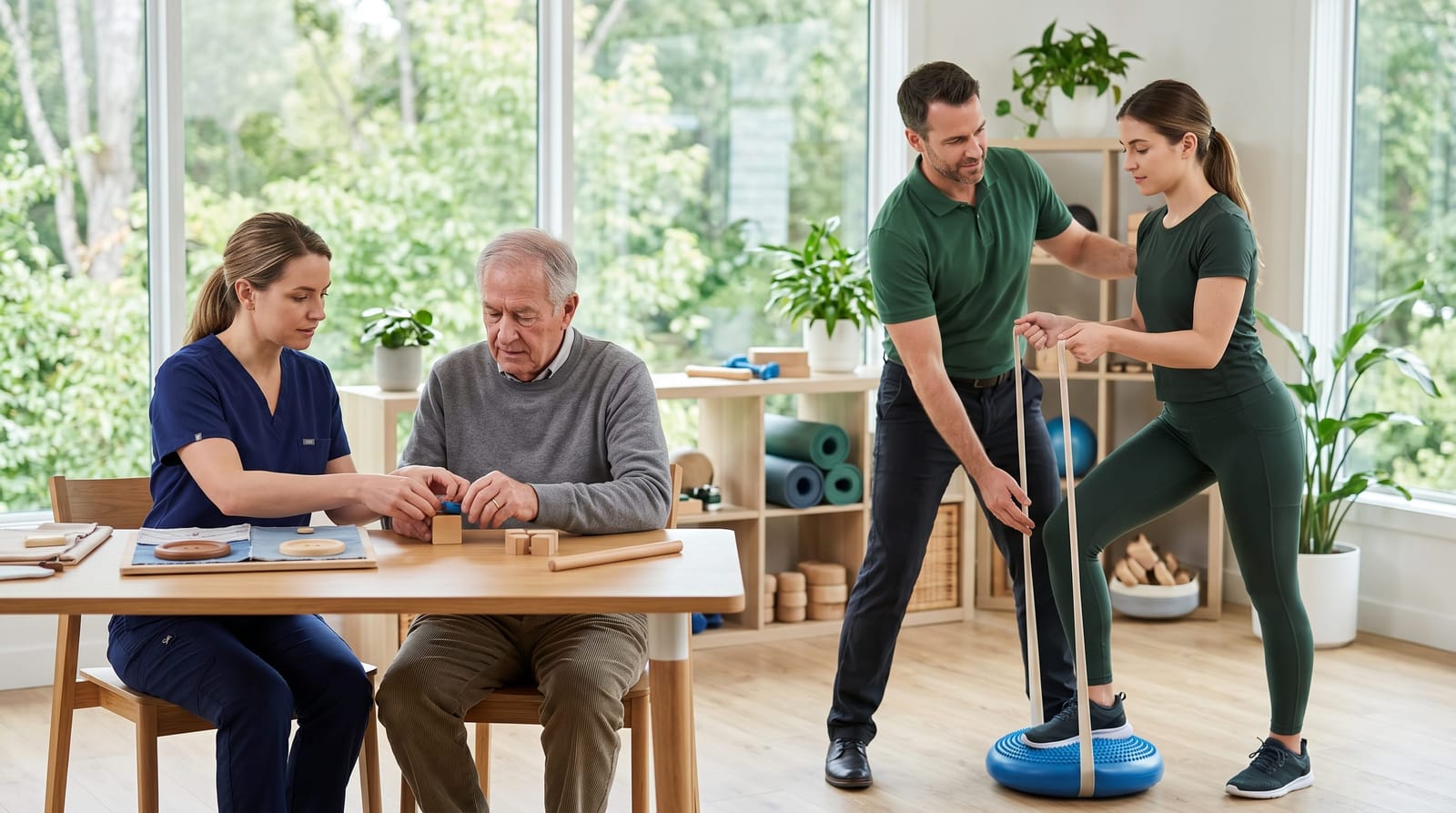
Physical therapy focuses on movement, strength, and function. A physical therapist analyzes how your body moves, identifies weaknesses or imbalances, and builds a corrective exercise program to address the root cause of pain.
For back pain, physical therapy commonly targets:
- Weak core muscles that fail to support the lumbar spine
- Hip flexor tightness from prolonged sitting
- Postural imbalances that load the spine unevenly
- Movement patterns that repeatedly re-injure soft tissue
A 2016 study published in the Journal of Orthopaedic & Sports Physical Therapy found that combining manual therapy techniques with targeted exercise produced significantly better outcomes for low back pain than exercise alone. Patients who received the combined approach reported 50% greater improvement in function after six weeks.
Physical therapy builds the structural changes that prevent pain from returning. But here's where many patients hit a wall: tight, painful muscles make exercise difficult and discouraging. When your back is in spasm, performing rehabilitation exercises is not just hard — it can be counterproductive if the tissue isn't ready.
Why the Two Approaches Work Better Together
The most effective strategy for back pain recovery is not massage therapy OR physical therapy. It's a sequenced combination of both.
Here's how this works in practice:
- Massage therapy first: Releases muscle tension, reduces pain, and improves range of motion before exercise begins
- Movement and strengthening second: Rehabilitation exercises are more effective and tolerable when the surrounding tissue is relaxed
- Ongoing massage support: Prevents new muscle guarding from forming as strength training progresses
Research from Rebalance Massage Clinic confirms this sequence. Studies show that pairing massage therapy with physical therapy can improve exercise performance and tolerance by reducing discomfort and enhancing muscle function. Patients are more compliant with their rehab programs when pain isn't blocking every rep.
In cases involving specific injuries — such as a herniated disc — understanding how massage integrates with structural treatment is especially important. If you're navigating disc-related back pain, deep tissue massage for herniated disc pain provides a detailed breakdown of how massage can be safely applied in those situations.
How Serenity J Bridges Both Disciplines
Most clinics offer one or the other. You either go to a massage studio or a physical therapy office. Serenity J takes a different approach by integrating assessment-based bodywork that bridges both disciplines under one roof.
Here's what sets this approach apart:
- Root cause assessment: Sessions begin with identifying why pain is present — not just where it hurts
- Targeted soft tissue work: Deep tissue, neuromuscular therapy, and myofascial release are applied based on functional findings, not just symptom location
- Movement coaching: Clients receive corrective guidance between sessions to reinforce what's accomplished on the table
- Progressive treatment planning: Each session builds on the last, moving from pain relief toward long-term function
For someone in Rancho Cucamonga dealing with chronic low back pain, sciatica, or a recent back injury, this model removes the guesswork. You don't have to choose between feeling better today and staying better long-term. Both goals are built into the same treatment plan.
If radiating leg pain is part of your back pain picture, our guide on the best massage for sciatica pain near Rancho Cucamonga covers that specific condition in more detail — including which techniques deliver the fastest relief.
When Each Approach Makes the Most Sense
There are situations where one approach takes priority over the other. Here's a practical guide:
Prioritize massage therapy when:
- Muscle spasm or acute tension is limiting movement
- Pain level is too high to engage in exercise
- Stress-related or postural tension is the primary driver
- You need faster short-term relief before beginning a rehab program
Prioritize physical therapy when:
- A structural issue — such as disc degeneration, stenosis, or scoliosis — requires corrective exercise
- Pain is recurring and clearly linked to movement dysfunction
- Post-surgical recovery requires supervised rehabilitation
Use both when:
- Pain has persisted longer than 4 to 6 weeks without improvement
- Exercise alone isn't making a dent
- You want the fastest, most complete recovery from a back injury
Frequently Asked Questions
Is massage therapy or physical therapy better for chronic low back pain?
Neither is universally better on its own. Massage therapy relieves pain and muscle tension more quickly, while physical therapy corrects the underlying movement problems that cause pain to return. For chronic low back pain — defined as pain lasting more than 12 weeks — combining both approaches consistently produces better outcomes than either alone. A 2016 study found 50% greater improvement in function when manual therapy was paired with targeted exercise compared to exercise alone.
How many massage sessions does it take to see results for back pain?
Most people notice meaningful improvement within 3 to 5 sessions. Research published in the Annals of Internal Medicine found that 10 weekly sessions produced significant reductions in chronic back pain. For acute injuries, improvement often comes faster — sometimes within 2 sessions. The key factor is whether treatment addresses the root cause or only the symptoms.
Can massage therapy make back pain worse?
In some cases, yes — particularly when deep pressure is applied to an acutely inflamed or injured area too soon. Mild soreness for 24 to 48 hours after a session is normal. Sharp pain, increased numbness, or worsening symptoms are signs that technique or timing may need adjustment. A therapist trained in injury-focused work will modify pressure and approach based on your specific condition rather than applying a standard deep tissue protocol.
Do I need a doctor's referral to get therapeutic massage for back pain?
No referral is required to book a therapeutic massage session. However, if your back pain follows a recent injury, surgery, or is accompanied by symptoms like numbness, tingling, or leg weakness, it's worth consulting a physician first to rule out conditions requiring immediate medical attention. Most massage therapists will conduct an intake assessment and may recommend you see a doctor if red-flag symptoms are present.
The Bottom Line: Massage and Physical Therapy Are Better Together
Massage therapy cannot fully replace physical therapy for back pain — and physical therapy works better when massage prepares the body for movement. The question isn't which one to choose. It's how to use both strategically. At Serenity J in Rancho Cucamonga, therapeutic massage is delivered with the same goal-oriented mindset that drives physical rehabilitation: find the root cause, address it directly, and build toward lasting relief. If you're ready to stop cycling through temporary fixes, that's exactly the kind of care this approach is built for.