Is Deep Tissue Massage Safe for Herniated Disc Pain?
If you've been diagnosed with a herniated disc, you already know how debilitating the pain can be — the sharp radiating aches, the muscle stiffness, the way it steals your sleep and limits your daily movement. It's natural to wonder whether deep tissue massage for a herniated disc is a safe option or whether it might make things worse. The short answer is yes, it can be safe and genuinely effective — but only when applied correctly by a trained therapist who understands spinal conditions. This post breaks down exactly how, when, and why deep tissue massage can help, and when it should be avoided entirely.
Understanding What a Herniated Disc Actually Does to Your Body
Before evaluating whether deep tissue massage is safe, it helps to understand what's happening in your body. A herniated disc occurs when the soft inner gel of a spinal disc pushes through a crack in the tougher outer layer. This displaced material can press against nearby spinal nerves, triggering inflammation, pain, numbness, or weakness that can radiate into your arms or legs depending on the location of the herniation.
Here's the part most people don't realize: the disc itself is rarely the only source of your pain. In response to the injury, the surrounding muscles enter a state of protective spasm — they tighten aggressively to stabilize the spine. While this is your body's natural defense mechanism, it often creates a secondary layer of chronic muscular pain that persists long after the initial disc injury. Studies suggest that up to 80% of adults will experience significant low back pain at some point in their lives, and herniated discs are one of the leading causes in adults between 30 and 50 years old.
This distinction matters enormously when it comes to massage therapy. Deep tissue techniques are not applied to the disc itself — they target the surrounding musculature. Relieving those protective muscle spasms can meaningfully reduce your overall pain experience and improve your range of motion while your disc heals.
How Deep Tissue Massage for a Herniated Disc Actually Works
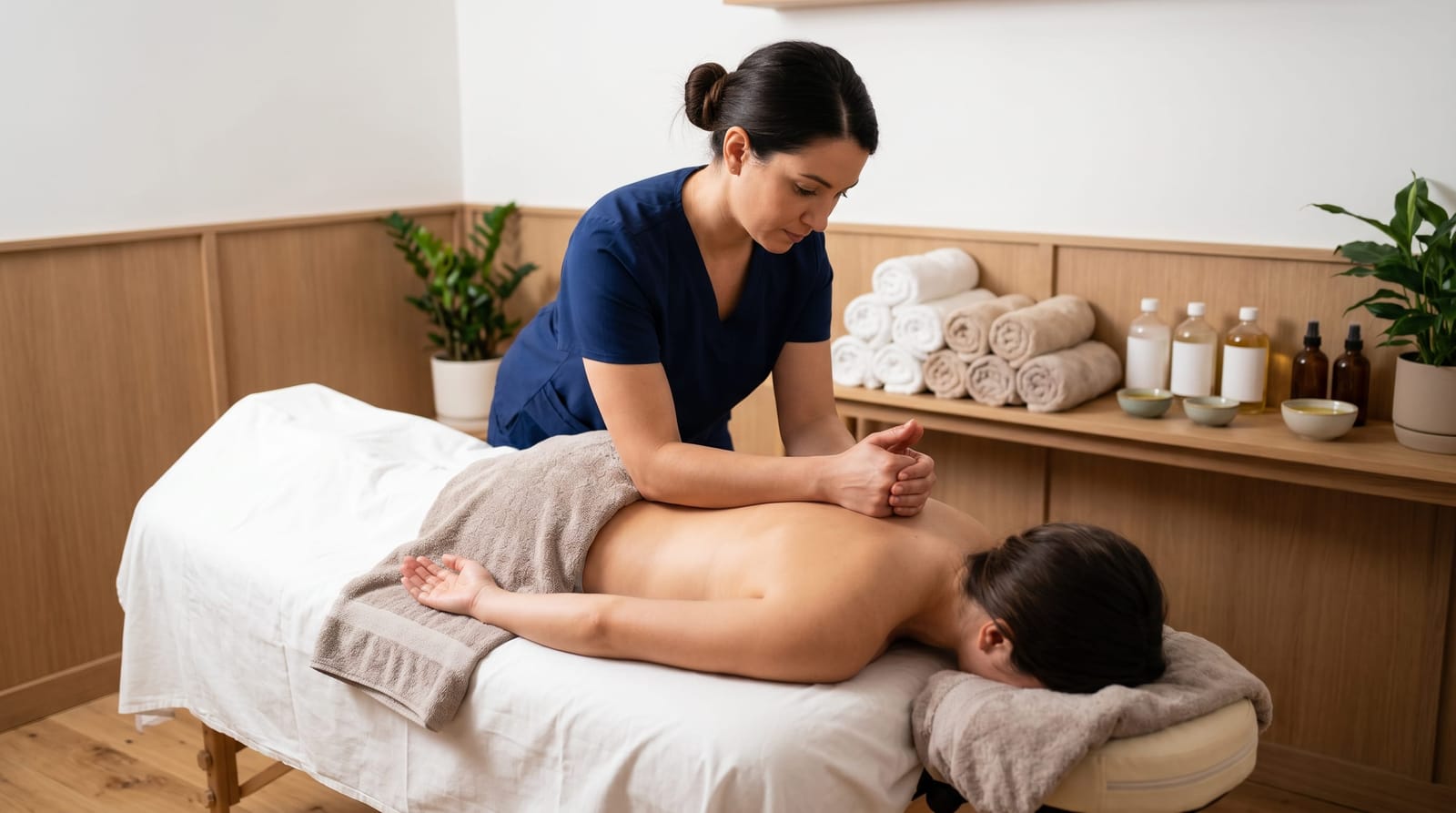
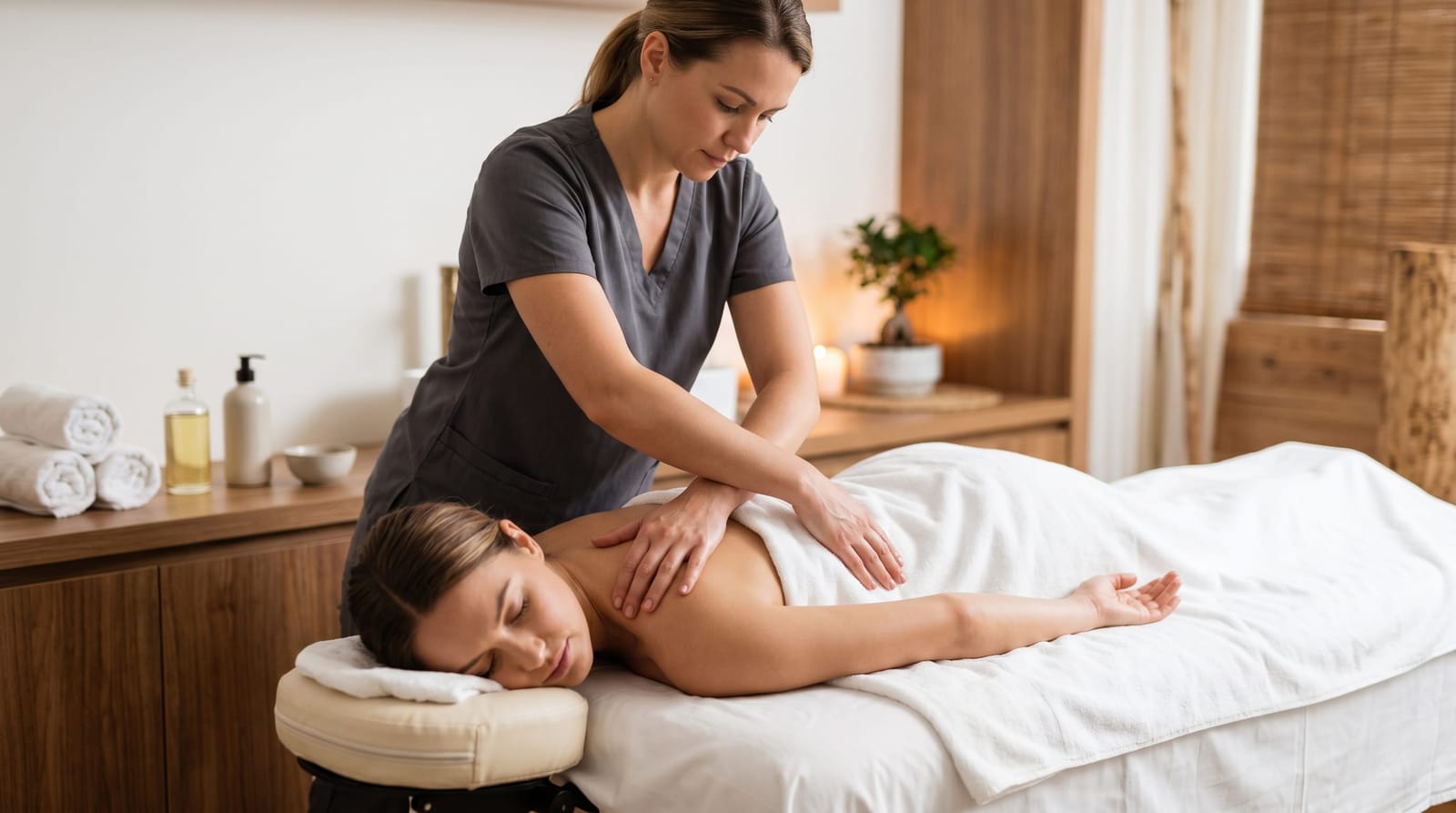
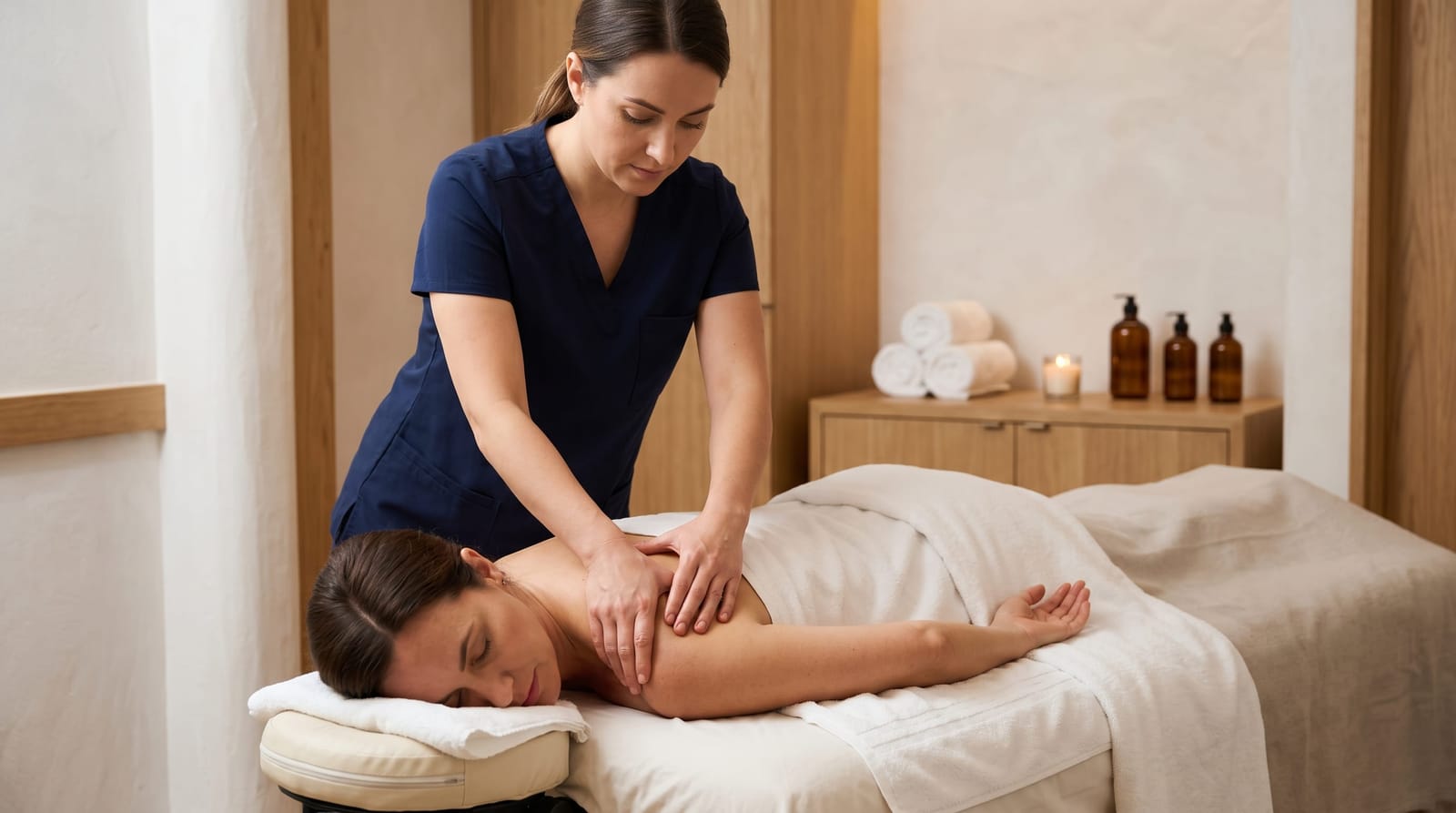
Deep tissue massage uses slow, deliberate strokes and firm pressure to reach the deeper layers of muscle tissue and connective fascia. For herniated disc patients, this approach is carefully modified — pressure is never applied directly over the spine or the affected disc. Instead, a skilled therapist works on the muscles flanking the spine, the glutes, hip flexors, and surrounding soft tissue that have become chronically tight in response to the injury.
There are several mechanisms through which this provides measurable relief:
- Reducing muscle spasm: Sustained deep pressure helps break the spasm cycle by encouraging muscle fibers to relax and release built-up tension. This directly decreases the compressive load being placed on the affected disc.
- Improving circulation: Deep tissue work increases blood flow to the treated area, delivering oxygen and nutrients that support tissue repair and help flush out inflammatory byproducts.
- Restoring flexibility: Chronic tightness leads to reduced range of motion, which causes compensatory movement patterns that stress other structures. Releasing tight tissue helps restore more natural movement.
- Calming the nervous system: Therapeutic touch has been shown to reduce cortisol levels and activate the parasympathetic nervous system, which can lower pain sensitivity over time.
Shiatsu, a form of deep tissue massage that uses targeted finger pressure along specific meridian points, is also frequently used for herniated disc muscle spasms. It is often incorporated into broader treatment programs alongside physical therapy and chiropractic care, making it a versatile tool within a multi-modal recovery plan.
Specific Modifications Therapists Make for Herniated Disc Patients
Not all deep tissue massage sessions are the same. When working with a herniated disc patient, a clinically trained massage therapist will make deliberate adjustments that distinguish this from a standard deep tissue session. At Serenity J, every herniated disc client receives a thorough intake assessment before any hands-on work begins.
Key modifications include:
- Positioning: Clients are positioned to eliminate spinal loading. Side-lying positions with pillow support between the knees are common for lumbar herniations, reducing intradiscal pressure throughout the session.
- Pressure gradient: Therapists begin with lighter myofascial release work to warm up tissue before gradually increasing depth — never forcing pressure through guarding or protective tension.
- Avoiding the lesion site: Work stays at least 2 to 3 inches lateral to the spine over the herniation level. Direct pressure on inflamed spinal structures is contraindicated and must be avoided entirely.
- Shorter session durations: Initial sessions for acute cases may be limited to 30 to 45 minutes to avoid overstimulating an already irritated nervous system.
- Communication throughout: Constant feedback is gathered during the session. Any increase in radiating pain, tingling, or numbness is an immediate signal to pause and reassess.
This level of clinical precision is what separates therapeutic massage from a generic relaxation session — and it's why provider selection matters so much when you're dealing with a spinal condition.
When Deep Tissue Massage Is Contraindicated for Herniated Discs
Deep tissue massage is not appropriate for every herniated disc presentation, and a responsible therapist will recognize the situations that call for a different approach — or a medical referral before any massage work begins.
Deep tissue massage should be avoided or postponed in the following circumstances:
- Cauda equina syndrome: If you are experiencing bowel or bladder dysfunction alongside back pain, this is a medical emergency requiring immediate surgical evaluation — not massage therapy.
- Severe or progressive neurological symptoms: Rapidly worsening weakness, numbness, or loss of coordination in a limb suggests nerve compression that needs medical imaging and intervention first.
- Active inflammation in the acute phase: In the first 24 to 72 hours following an acute disc flare-up, deep tissue work can aggravate inflammation. Gentle, superficial techniques may be appropriate, but deep pressure is not.
- Undiagnosed pain: If you haven't received a confirmed diagnosis, it's essential to see a physician before starting massage therapy. Several serious conditions can mimic disc pain and require different treatment entirely.
- Post-surgical recovery: Patients who have recently had spinal surgery need clearance from their surgeon before resuming any manual therapy.
At Serenity J, if there's any doubt about whether massage is appropriate for your specific presentation, we will tell you honestly — and refer you to the right provider. Your safety always comes before a billable session. For those whose symptoms include leg pain radiating below the knee, our post on the best massage for sciatica pain near Rancho Cucamonga explores how overlapping nerve compression patterns are addressed in a clinical setting.
What to Expect From Deep Tissue Massage at Serenity J for Disc Pain
Serenity J's approach to deep tissue massage for herniated disc pain is grounded in clinical assessment, not guesswork. Before your first session, your therapist will review your diagnosis, current symptoms, pain patterns, and any imaging reports you can provide. This information shapes every decision made during your session.
Most clients with lumbar herniated discs begin to notice a reduction in muscular tightness and secondary pain within 3 to 5 sessions. Cervical disc patients often respond faster due to the smaller muscle mass involved. Progress is tracked session to session, and techniques are adjusted as your condition evolves.
Massage therapy is rarely a standalone solution for herniated disc recovery. It works best as part of a coordinated plan that may include physical therapy, chiropractic care, or physician-supervised pain management. If you're weighing how massage fits alongside rehabilitation exercises, our upcoming article on whether massage therapy can replace physical therapy for back pain digs into that question in depth.
What sets Serenity J apart is the commitment to understanding why you're in pain — not just addressing where it hurts. This root-cause approach is what therapeutic massage, done well, is built on.
Frequently Asked Questions
Can deep tissue massage make a herniated disc worse?
Yes, if performed incorrectly. Applying direct pressure over the herniated disc site, using excessive force during an acute flare-up, or ignoring neurological warning signs during a session can all aggravate symptoms. When a qualified therapist applies modified deep tissue techniques to the surrounding musculature — avoiding the disc itself — the risk of worsening the condition is very low, and the benefits are well-documented.
How many deep tissue massage sessions are needed for herniated disc pain relief?
Most clients begin experiencing meaningful reduction in muscular pain and stiffness within 3 to 5 sessions. However, the total number depends on the severity of the herniation, how long the secondary muscle tension has been present, and whether massage is being combined with other therapies. Chronic cases may benefit from ongoing maintenance sessions every 2 to 4 weeks once acute symptoms are managed.
Should I get a doctor's approval before getting deep tissue massage for a herniated disc?
Yes, and it's strongly recommended. A physician can confirm your diagnosis, rule out contraindications such as severe nerve compression or cauda equina syndrome, and provide imaging reports that help your massage therapist make more informed decisions. Many physical therapists and chiropractors also actively recommend massage as a complementary therapy within a supervised treatment plan.
Is deep tissue massage different from regular massage for herniated disc patients?
Significantly so. A standard relaxation massage applies light to moderate pressure across the body without targeting specific dysfunctional tissue. Deep tissue massage for a herniated disc patient involves a clinical intake assessment, deliberate positioning modifications, targeted pressure applied lateral to the spine, and continuous symptom monitoring throughout the session. The two experiences are not interchangeable when a spinal condition is involved.
The Bottom Line on Deep Tissue Massage and Herniated Disc Pain
Deep tissue massage for a herniated disc is not only safe when performed correctly — it can be a meaningful part of your recovery. By targeting the muscle spasms and tissue restrictions that surround the injured disc rather than the disc itself, skilled therapeutic massage reduces secondary pain, restores circulation, and helps your body move toward healing. The key is working with a therapist who understands the clinical nuances of spinal conditions and treats your session as a careful, informed intervention. If you're dealing with herniated disc pain in the Rancho Cucamonga area and want to know whether therapeutic massage is right for your specific situation, Serenity J is here to give you an honest, professional answer.