How Often Should You Get a Massage for Preventative Health Benefits?

Most people schedule a massage when something already hurts — a stiff neck after a long week, tension headaches that won't quit, or back pain that finally became impossible to ignore. But what if massage therapy could help you avoid those problems in the first place? If you're exploring how often massage therapy preventative health strategies should be incorporated into your routine, you're already thinking about your body the right way. This guide breaks down the optimal frequency for different lifestyle goals and explains how a personalized maintenance plan — rather than reactive appointments — can make a meaningful difference in your long-term health.
Why Massage Frequency Matters More Than You Think
There's a significant difference between getting a massage because you're in pain and getting one to stay out of pain. Preventative massage works by consistently addressing muscle tension, circulation patterns, and stress hormone levels before they compound into something more serious. The benefits of a single session — reduced cortisol, improved lymphatic flow, loosened connective tissue — begin fading within days to weeks depending on your stress load, physical activity, and overall health.
This is why frequency is the foundation of a preventative approach. One massage every six months is better than nothing, but it's not a wellness strategy. Think of it the way you'd think about exercise or nutrition: consistency over time produces results that isolated efforts simply can't match. When you establish a regular cadence, your body starts holding less baseline tension between sessions, your recovery improves, and the cumulative benefit compounds.
This principle sits at the heart of what a holistic approach to wellness actually means in practice — maintaining the body proactively rather than waiting for symptoms to demand attention.
General Frequency Guidelines Based on Your Goals
There's no single answer that fits everyone, but research and clinical experience point to some clear patterns based on what you're trying to achieve:
For General Stress Relief and Overall Wellness
If you're a generally healthy person managing everyday stress, monthly or bi-monthly sessions are an excellent starting point. At this frequency, you're giving your nervous system regular opportunities to downshift, your muscles a chance to release accumulated tension, and your body consistent signals that recovery is a priority. Monthly sessions work particularly well as a sustainable, budget-friendly baseline for women who are new to wellness-focused massage.
For Active Prevention of Musculoskeletal Issues
If you're physically active, spend long hours at a desk, or have a physically demanding job, every two to four weeks is a more effective preventative interval. This range allows a therapist to catch developing tension patterns — tight hip flexors from sitting, overworked shoulders from repetitive movements — before they create compensatory problems elsewhere in the body. Women who exercise regularly often find this frequency significantly reduces post-workout soreness and supports better range of motion over time.
For Chronic Stress, Hormonal Health, and Immune Support
For women navigating high stress loads, hormonal fluctuations, or immune challenges, a more consistent schedule of every one to two weeks may be appropriate during intensive phases. Elevated cortisol over time has measurable effects on sleep quality, immune function, and mood — and regular massage is one of the few accessible interventions shown to reduce cortisol levels reliably. As your baseline improves, the frequency can often be pulled back to every two to three weeks for maintenance.
For Those Transitioning from Reactive to Preventative Care
If you're moving from treating an existing issue to maintaining results, a gradual tapering schedule tends to work best. Starting with weekly or biweekly sessions, then shifting to monthly once stability is achieved, gives the body time to adapt and hold improvements between appointments. This approach is particularly effective for tension headaches, postural imbalances, and stress-related fatigue.
How Serenity J Builds Personalized Maintenance Schedules
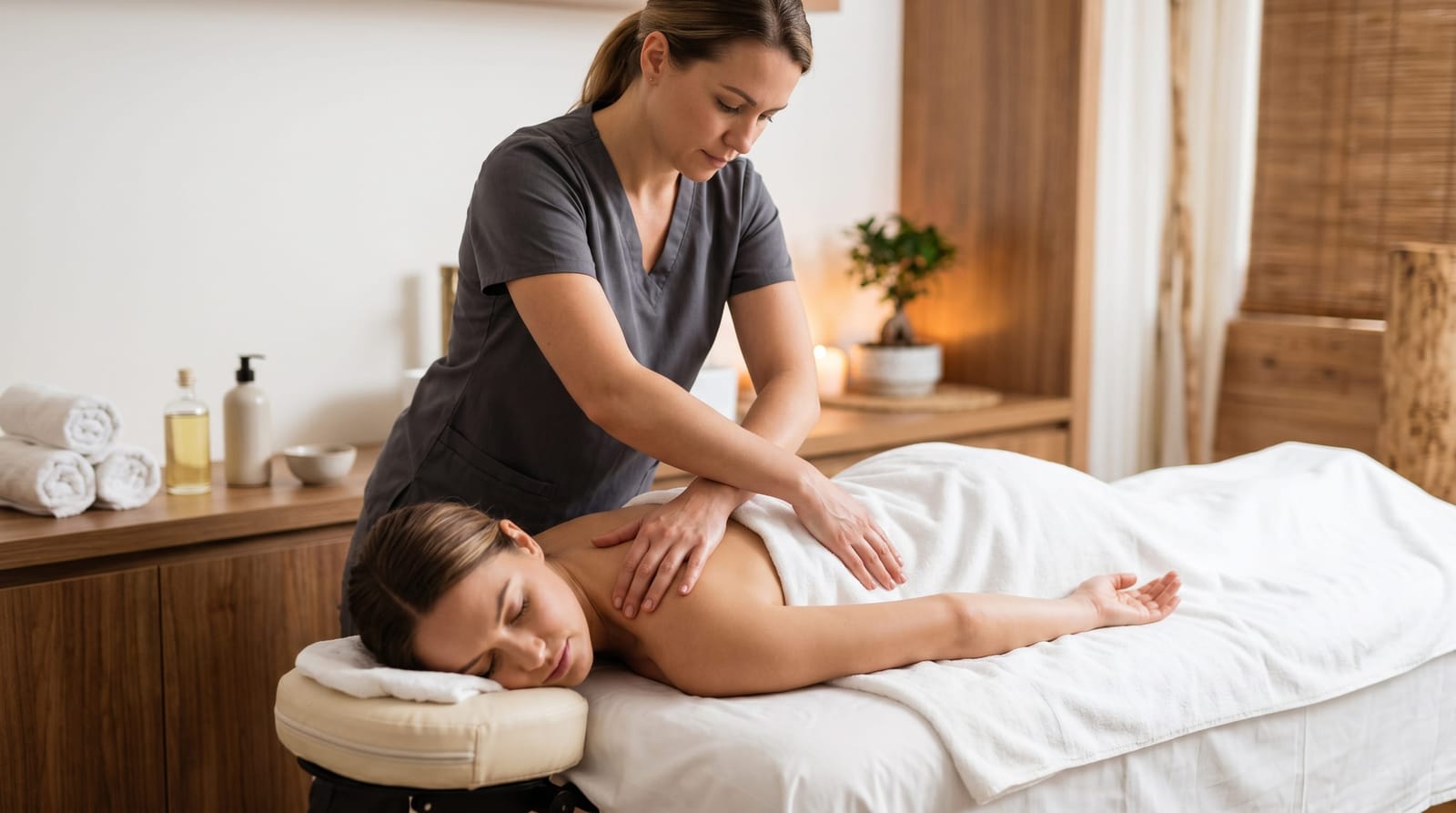
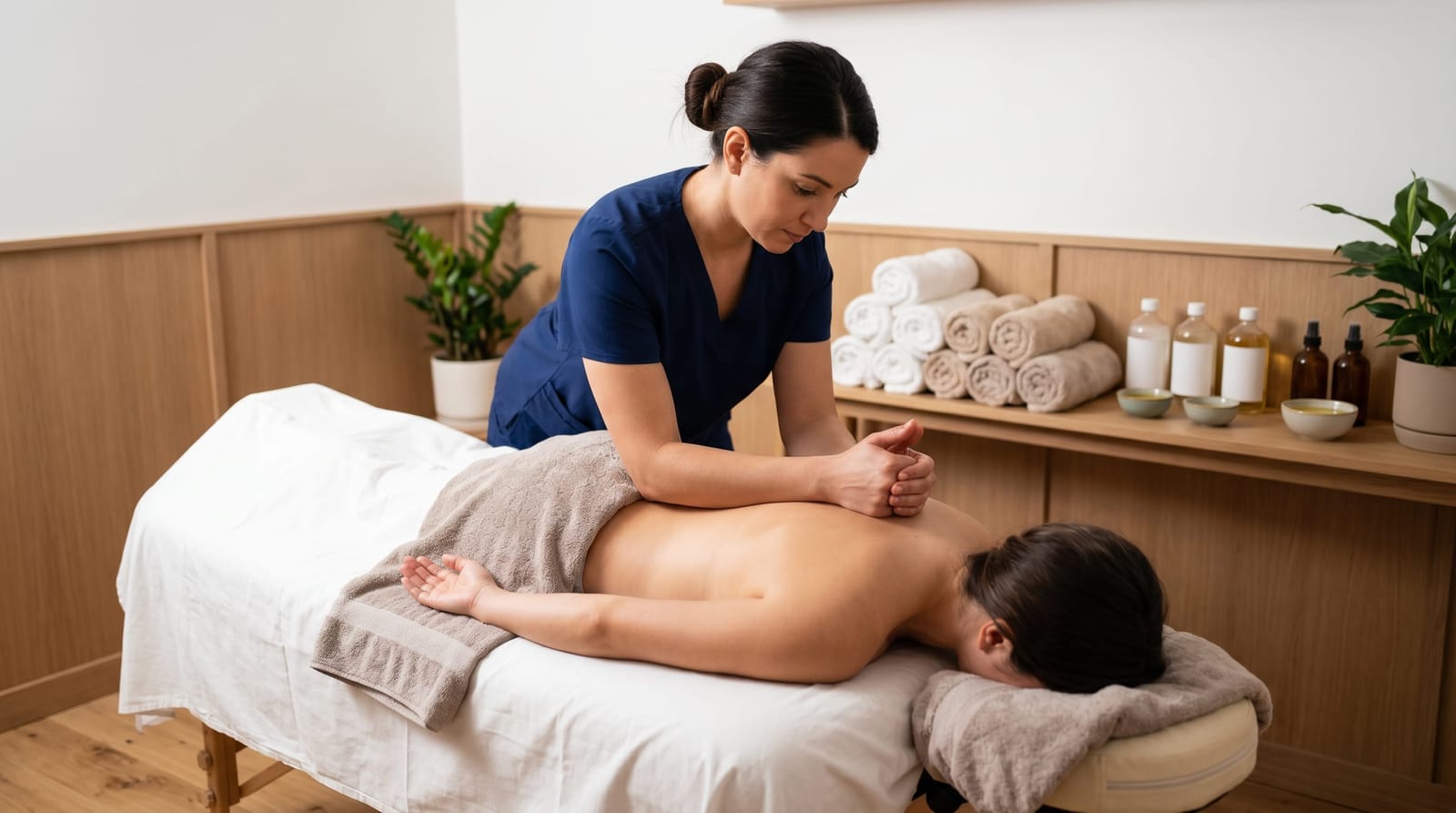
At Serenity J in Rancho Cucamonga, the approach to massage therapy isn't transactional — it's relational and goal-oriented. When you come in for a session, the focus isn't just on what's tight today. It's on understanding your lifestyle, your stress patterns, your activity level, and your long-term health goals so that your massage schedule is actually built around your life.
During your initial consultation, your therapist will ask questions that go beyond your physical symptoms. What does your sleep look like? How are your energy levels across the month? Are there patterns to when tension tends to peak? These conversations allow Serenity J to recommend a starting frequency that makes practical sense — not just clinically ideal, but realistic for your schedule and budget.
From there, your maintenance plan evolves. If you're ramping up a new workout routine, your frequency might increase temporarily. If a stressful season at work is coming up, your therapist can suggest stepping up sessions preemptively rather than waiting for burnout to hit. This kind of proactive, adaptive scheduling is what separates a genuine wellness practice from a series of disconnected appointments.
Serenity J also integrates massage into a broader holistic wellness framework that may include nutritional guidance and other health maintenance services — because the body responds better to consistent, multi-layered support than to any single intervention on its own.
Signs You May Need to Adjust Your Current Frequency
Not sure if your current schedule is working for you? Here are some indicators that it might be time to increase or recalibrate:
- You're arriving to sessions with significantly more tension than last time, suggesting your current interval is too long
- You're experiencing frequent stress-related symptoms — headaches, disrupted sleep, low energy — between appointments
- The benefits of each session seem to wear off quickly, within just a few days
- You've recently increased your physical activity or taken on more demands at work or home
- You're navigating a hormonal transition such as perimenopause and noticing changes in how your body holds stress
On the other side, if you've been maintaining a consistent schedule and feel that your baseline tension has significantly improved, you may be able to space sessions out further without losing ground — which is actually one of the best signs that preventative massage is working.
Frequently Asked Questions
Is monthly massage enough for preventative health benefits?
For many generally healthy women, monthly massage is a solid preventative baseline — particularly for managing stress hormones, supporting immune function, and staying connected to your body's early warning signals. That said, women with physically demanding routines or higher stress loads often see stronger results at a two-to-three-week frequency. Starting monthly and adjusting based on how your body responds is a perfectly reasonable approach.
Can massage therapy actually prevent injuries?
Regular massage helps maintain healthy muscle tissue, improves circulation to connective tissue, and identifies areas of tension or restriction before they cause compensatory movement patterns that lead to injury. While it isn't a guarantee, consistent massage — particularly for active women — is widely regarded by physical therapists and sports medicine practitioners as a meaningful component of injury prevention.
How is preventative massage different from a spa massage?
A spa massage is primarily designed for relaxation and is a wonderful experience, but it typically doesn't involve the ongoing assessment, therapeutic techniques, and personalized scheduling that define preventative massage therapy. Preventative massage involves tracking patterns over time, adjusting pressure and focus based on your evolving health picture, and building a relationship with a therapist who understands your body's tendencies.
Does insurance cover preventative massage therapy?
Coverage varies significantly by plan and provider. Some FSA and HSA accounts can be used for massage therapy, particularly when recommended by a physician. It's worth checking with your plan directly. Many clients at Serenity J find that wellness membership or package options make consistent preventative care financially accessible without relying on insurance.
Building a Massage Routine That Actually Sticks
The most effective massage frequency is ultimately the one you can maintain consistently. Whether that's every two weeks or once a month, building massage therapy into your regular wellness routine — rather than treating it as a reward or last resort — is where the real preventative value lives. Understanding how often massage therapy preventative health goals require attention puts you ahead of most people who only think about the body when it's already struggling.
At Serenity J in Rancho Cucamonga, the goal is to help you find that rhythm and stick to it — with a team that sees your long-term wellbeing, not just the session in front of them. If you're ready to move from reactive care to proactive health, it starts with a conversation about where you are and where you want to be.